The Role of Precision Fermentation in the Future of Sustainable Healthcare

Innovation in life sciences is increasingly shaped by the need to make healthcare not only more effective but more sustainable. As the industry looks for ways to reduce environmental impact while meeting growing global demand for medicines, precision fermentation is emerging as a transformative technology. Once largely associated with food innovation, the approach is now gaining significant momentum in biopharmaceuticals, diagnostics and advanced therapeutics.

How does it work?

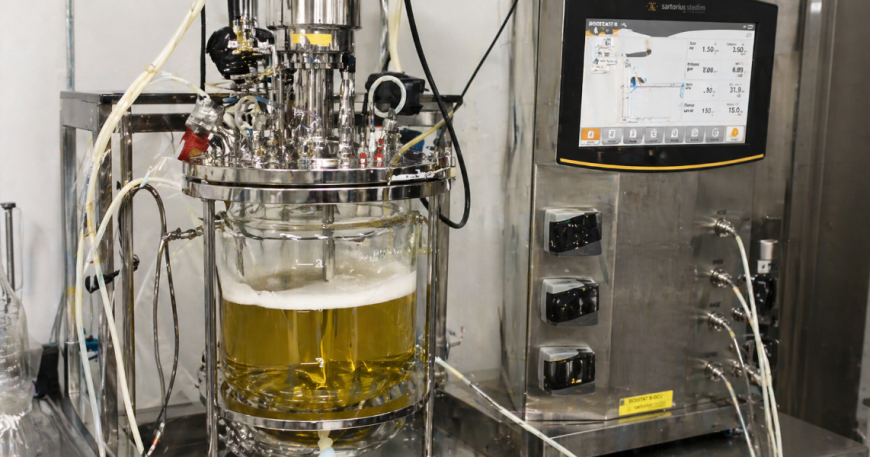
Precision fermentation uses microorganisms such as yeast, fungi or bacteria as biological factories, programming them to produce specific proteins, enzymes or other complex molecules. By inserting carefully designed DNA sequences, scientists can direct microbes to manufacture substances that have traditionally relied on animal sources, chemical synthesis or resource-intensive industrial processes. The result is a method of production that can be highly scalable, precise and potentially far more sustainable.

Why it’s important.

In healthcare, one of the most promising applications lies in biopharmaceutical manufacturing. Proteins used in therapies, including insulin, monoclonal antibodies and growth factors, have often required complex and costly production methods. Precision fermentation offers a route to produce these molecules more efficiently while maintaining consistency and purity. This could support a more resilient supply chain for essential medicines, while also helping to reduce manufacturing emissions and waste.

Attracting lots of attention

The technology is also attracting attention in vaccine development. Fermentation-based systems can support rapid production of vaccine components, offering flexibility that could prove critical in responding to emerging diseases or future pandemics. The scalability of microbial production has led many in the sector to see precision fermentation as part of a broader strategy for strengthening health security.

Opening new opportunities

Beyond medicines, the approach is opening opportunities in biomaterials for healthcare. Researchers are using precision fermentation to develop sustainable alternatives for materials used in wound care, tissue engineering and medical devices. From recombinant collagen to novel biodegradable polymers, these innovations could reduce reliance on animal-derived products and traditional plastics while maintaining performance in clinical settings.

International Reaction

According to World Health Organization Director-General Tedros Adhanom Ghebreyesus, “Health systems must be both resilient and sustainable if they are to meet the challenges of the future.” That principle increasingly resonates across biotechnology, where innovation is being judged not only by clinical outcomes but by its wider environmental and social impact.

Investment in the field is growing rapidly. Biotech companies, pharmaceutical manufacturers and research institutions are exploring how fermentation platforms can be integrated into commercial production at scale. Interest is also expanding among policymakers focused on advanced manufacturing and green industrial strategy. In regions with strong life sciences clusters, this presents opportunities for collaboration spanning synthetic biology, engineering and healthcare innovation.

Challenges remain

Challenges remain, particularly around scale-up, regulatory pathways and infrastructure. Moving from laboratory success to commercial manufacturing requires significant expertise and investment. Regulatory frameworks must also continue evolving to assess products created through new biological production methods. Yet many believe these are the kinds of challenges that accompany any emerging platform technology with disruptive potential.

A second important dimension is affordability. If precision fermentation can lower the cost of producing complex biologics, it could play a role in improving global access to advanced therapies. That possibility has generated interest well beyond high-income markets, especially where sustainable and decentralised manufacturing could support healthcare delivery in underserved regions.

As Jennifer Doudna has said, “Biology is becoming a design technology.” That idea captures much of what makes precision fermentation so significant. It is not simply about producing molecules differently but about rethinking how healthcare products can be designed, manufactured and delivered in ways aligned with both innovation and sustainability.

As the life sciences sector continues to balance scientific progress with environmental responsibility, precision fermentation may become an increasingly important part of the solution. From pharmaceuticals and vaccines to biomaterials and diagnostics, its potential reaches across the healthcare ecosystem. What began as a promising platform in synthetic biology is now positioning itself as a serious driver of the future of sustainable healthcare.

Author

Leave A Comment

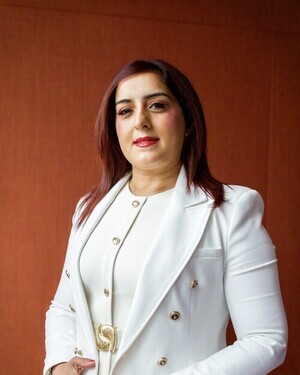
Shabna Raja

Advisory Partner,
Life Sciences Week
+44 (0) 121 227 4156
info@lifesciencesweek.co.uk

Bio

Shabna Raja is a senior leader in enterprise transformation within Life Sciences, with over 20 years’ experience spanning pharma, consumer health and large-scale digital programmes.

She specialises in bridging strategy and execution – helping organisations translate AI, data and digital innovation into tangible business outcomes. Her work focuses on complex transformation
initiatives across commercial, data and operating model domains within regulated environments.

Shabna spent seven years at GSK, where she played a key role in transformation programmes, including as part of the Consumer Health joint venture with Pfizer — one of the most significant integrations in the sector. This experience provided her with deep expertise in  organisational change, integration and operating model evolution at global scale.

More recently, she has spent over three years working closely with Haleon through a strategic
services partnership, leading enterprise client engagement and managing a multi-million-pound account while supporting transformation across a newly independent global organisation.

Her experience spans the end-to-end life sciences value chain, including R&D, commercial, supply chain and patient engagement, giving her a holistic perspective on how technology and transformation can unlock value across the industry.

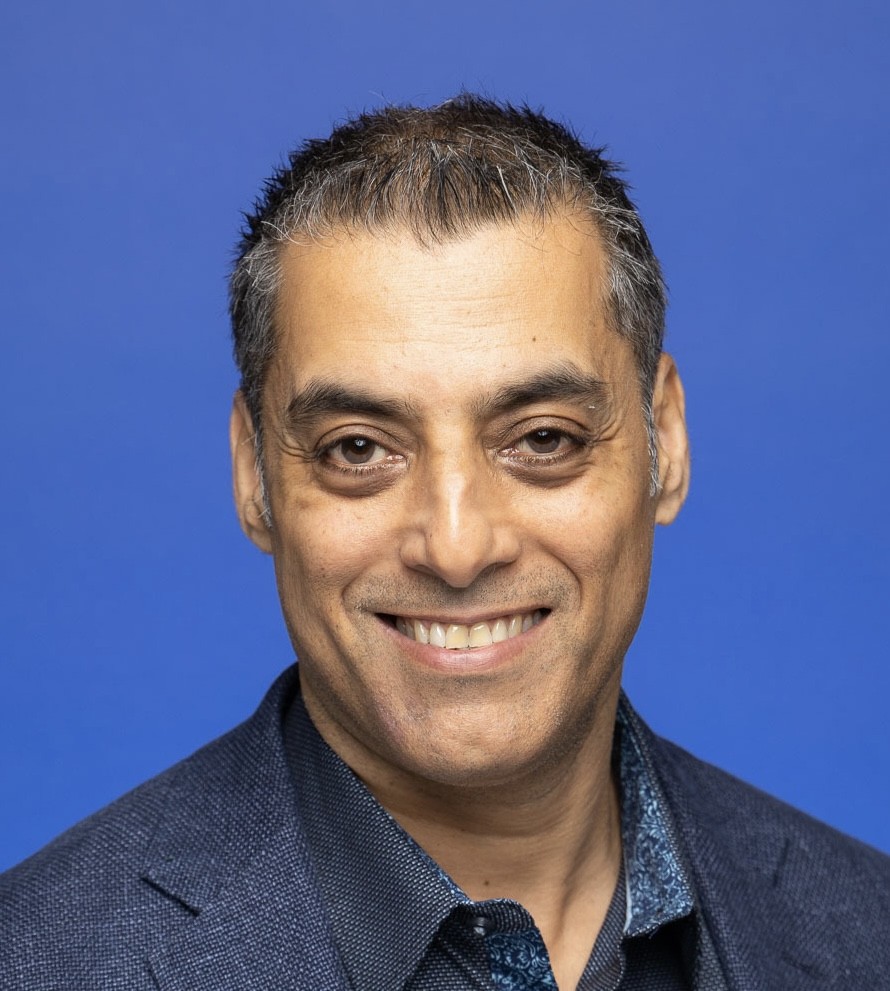
Amjad Khan

Executive Partner,
Life Sciences Week
+44 (0) 121 227 4156
info@lifesciencesweek.co.uk

Bio

Amjad Khan is a UK-based entrepreneur, AI strategist, and senior technology leader with over 15 years of experience at Pfizer, where he held multiple leadership roles across digital strategy and transformation. As Global Digital Client Partner, he was responsible for digital strategy and execution across Global Business Units covering Vaccines, Hospital, and Medical Affairs. Most notably, he led the commercial launch for the Covid franchise transforming and accelerating the model for how new medicines are brought to market.

Following his tenure at Pfizer, Amjad channelled his expertise into building at the frontier of AI. His work spans AI leadership, stakeholder engagement, and agile delivery helping organisations adopt
and scale emerging  technologies to drive meaningful outcomes.

Dr. Richard Fallon | Business Consultant | WM Life Sciences

Dr. Richard Fallon

Co Founder, Life Sciences Week 
+44 (0) 121 227 4156
info@lifesciencesweek.co.uk

Bio

Dr Richard Fallon is an entrepreneur and ecosystem builder who connects industry leaders, investors and public-sector stakeholders to accelerate collaboration and commercial growth.

As the Founder of the Technology Supply Chain and co-founder of the Innovation Awards, he has spent more than two decades convening influential networks that help emerging businesses find capital, strategic partners and new routes to market.

Richard’s work spans leadership and consultancy across major organisations, alongside building membership and partnership platforms that bring universities, industry and investors into the same room – and turn conversations into practical outcomes.

With his focus on life sciences, Richard supports organisations and people driving breakthroughs in healthcare, biotechnology, medical technology and advanced research. He is passionate about creating the conditions for transformative ideas to move from concept to real-world impact – by connecting innovators with the funding, expertise and opportunities they need to scale.

Through Life Sciences Week, Richard is championing the UK’s world-class life sciences community and helping position it at the forefront of innovation, investment and patient outcomes.

Paul Cadman | Executive Chairman | WM Life Sciences

Prof Paul Cadman

CEO of One Thousand Trades Group & Co-founder of Life Sciences Week,
Life Sciences Week
+44 (0) 121 227 4156
info@lifesciencesweek.co.uk

Bio

Prof. Paul Cadman is a nationally and internationally recognised, award-winning inclusive leader and “knowledge broker”, known for bringing people, ideas and organisations together to turn ambition into deliverable outcomes.

His experience spans Research, Technology, Manufacturing, Consultancy and Membership Organisations – giving him a rare ability to translate between sectors, priorities and professional cultures in a way that builds trust and unlocks progress.

Across his career, Paul has helped take concepts from inception through to scale, including initiatives that have generated £100m+ in turnover. He combines strategic thinking with an extensive network, supporting organisations to drive organic growth, forge partnerships and deliver meaningful business transformation. He is particularly valued for his ability to connect the right stakeholders at the right time, and create the conditions for collaboration to become action.

Through Life Sciences Week, Paul helps convene the communities shaping innovation – bringing together research, industry and investment to strengthen relationships, spotlight opportunity, and accelerate real-world impact.

Amy Deakin | Chief of Staff | WM Life Sciences

Amy Deakin

Event Managing Director,
Life Sciences Week
+44 (0) 121 227 4156
info@lifesciencesweek.co.uk

Bio

Amy Deakin is a Birmingham-based leader specialising in building partnerships and fostering innovation in the life sciences sector. With a degree in Sport and Exercise Science, Amy brings a grounded understanding of human health and performance to her work and a strong interest in the developments shaping healthcare today.

Amy is Managing Director of Life Sciences Week, part of the One Thousand Trades Group, and also serves as Director of One Thousand Trades Events. In these roles, she convenes researchers, clinicians and industry leaders to strengthen collaboration, unlock new partnerships and help accelerate real-world innovation across the life sciences ecosystem.

Her career spans both commercial and third-sector environments. She began in automotive design, delivering projects for Volkswagen, McLaren, Bentley and Jaguar Land Rover, before moving into the third sector with Acorns Children’s Hospice. She later joined Western Union, working as a Partnerships Manager for international payments

An avid netballer, Amy is a committed advocate for health and wellbeing – bringing energy, clarity and connection to everything she builds, and actively involved as a participant in health related research studies.

    Award Category Voting

    Here's a list of all categories you can vote for. Simply click each category to cast your vote. Voting in each category is not mandatory, so please feel free to click just the category that interests you.

    Day you've not voted in, will be denoted with an ❌

    If you're having issues submitting the form, please ensure all the category boxes are closed and try again.

    Recognising pioneering research, technology, or therapies that are transforming healthcare and biotechnology.

    No VoteProf. Alex RichterBlack Space TechnologyAston Vision Sciences

    Celebrating an emerging leader making significant contributions to the field through research, innovation, or leadership.

    Recognising pioneering research, technology, or therapies that are transforming healthcare and biotechnology.

    No VoteShashank Chaganty – VichagLeah Vanono - PBS InnovationsKloe Avon- KZ Organics

    Honouring successful cross-sector partnerships driving advancements in life sciences, from academia to industry.

    No VoteProf Liam Grover- WMHTIAJudith Stewart- Health Innovation West MidlandsAdam McGuinness - Plug and Play

    Awarding an individual or organisation for exceptional long-term impact on the industry.

    No VoteDavid KidneyMedilink MidlandsUniversity of Birmingham

    Highlighting innovations in treatments, diagnostics, or healthcare delivery that have significantly improved patient outcomes.

    No VoteJean-Louis Duprey - Linear DiagnosticsSian Dunning - MD-TECKarim Vissangy - HoloMedix

    Your Details