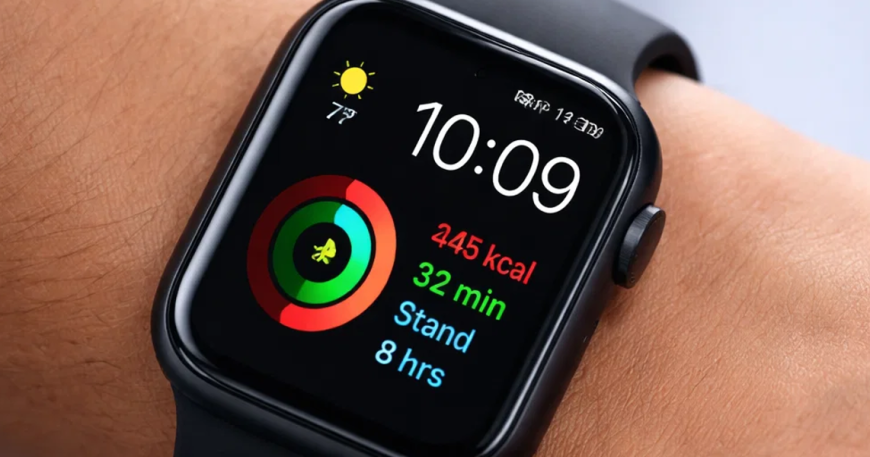
Healthcare has traditionally centred on hospitals and clinics, with diagnosis and monitoring taking place during scheduled appointments. Today, that model is shifting. Wearable biosensors, embedded in smartwatches, patches and other compact devices, are enabling continuous health monitoring beyond clinical walls. By collecting real-time data on everything from heart rate to glucose levels, these technologies are moving care closer to the patient and reshaping how disease is detected and managed.
From fitness tracking to clinical insight
Many wearable devices first entered the mainstream through consumer fitness markets, offering step counts and heart rate monitoring. Over time, however, the sophistication of sensors has increased significantly. Modern devices can track blood oxygen saturation, detect irregular heart rhythms and monitor sleep quality.
In clinical contexts, continuous glucose monitors have already transformed diabetes management. Instead of relying on periodic finger-prick tests, patients can now receive real-time readings throughout the day. This allows for more responsive treatment decisions and a clearer understanding of how lifestyle factors influence blood sugar levels.
As accuracy improves, wearables are moving beyond lifestyle tracking into serious medical territory. Devices capable of detecting atrial fibrillation or warning of potential cardiac events demonstrate how consumer technology is intersecting with regulated healthcare tools.
Early detection and prevention
One of the most promising aspects of wearable biosensors is their potential for early detection. Continuous monitoring can reveal subtle changes in physiological patterns that might not be evident during a brief clinical visit. For example, gradual shifts in resting heart rate or sleep patterns could signal the onset of illness before symptoms become severe.
For chronic conditions, this proactive approach could reduce hospital admissions. Patients with heart failure or respiratory disease, for instance, may benefit from remote monitoring that alerts clinicians to early signs of deterioration. Timely intervention can prevent complications and improve quality of life.
Supporting personalised care
Wearable data contributes to the broader shift towards personalised medicine. By gathering information over extended periods, clinicians gain a more comprehensive picture of a patient’s health. This continuous dataset can inform tailored treatment plans that adapt to individual needs.
For patients, the visibility of their own health metrics can also encourage greater engagement. Seeing how exercise, diet or medication affects real-time readings fosters a more active role in managing conditions. This partnership between patient and clinician is central to modern models of care.
Integration with digital health systems
The true value of wearable biosensors lies not just in data collection but in integration. When connected securely to electronic health records, wearable data can provide clinicians with ongoing insights between appointments. Combined with artificial intelligence tools, these datasets may highlight patterns that require attention.
Remote patient monitoring programmes are already being implemented in parts of the NHS, particularly for high-risk individuals. These initiatives aim to reduce pressure on hospitals by enabling safe monitoring at home. In this context, wearable biosensors become part of a wider digital ecosystem designed to deliver more responsive and efficient care.
Challenges of accuracy and equity
Despite rapid progress, wearable health technology must meet rigorous standards if it is to play a central role in clinical care. Accuracy is paramount. Devices used for medical decision-making require validation to ensure readings are reliable across diverse populations.
Privacy and data security are also critical considerations. Health data is highly sensitive, and robust safeguards are needed to protect patient information. Transparent policies and clear communication will be essential to maintain trust.
Equity presents another challenge. While wearable devices are becoming more affordable, disparities in digital access remain. If remote monitoring becomes more widespread, healthcare systems must ensure that vulnerable groups are not excluded due to cost or lack of connectivity.
The UK’s opportunity
The UK’s strengths in life sciences, digital health and data governance provide a strong foundation for advancing wearable biosensors in healthcare. Collaboration between technology companies, universities and the NHS is helping to evaluate devices and establish best practice.
Research initiatives are exploring how wearable data can be used to predict disease progression, optimise medication and support preventative care strategies. With appropriate regulation and investment, the UK could position itself as a leader in integrating wearable technology into mainstream healthcare.
Looking ahead
The evolution of wearable biosensors is far from complete. Future devices may measure biochemical markers through the skin, detect infections in their earliest stages or provide continuous blood pressure monitoring without cuffs. As sensors become smaller and more sophisticated, the boundary between medical devices and everyday accessories may blur further.
For healthcare systems facing rising demand, wearable biosensors offer a pathway towards more sustainable care. By shifting from reactive treatment to continuous monitoring and early intervention, they align with a preventative model that prioritises long-term health outcomes.
Conclusion
Wearable biosensors are transforming the relationship between patients and healthcare providers. By delivering real-time insights and supporting remote monitoring, they bring care into everyday life. While challenges remain around accuracy, privacy and access, the direction of travel is clear.
As technology advances and integration improves, wearable biosensors have the potential to become a cornerstone of modern healthcare. For patients, this means greater awareness and earlier intervention. For healthcare systems, it offers a chance to deliver more efficient, personalised and preventative care in the years ahead.