A sector defined by rapid scientific progress
Advanced therapies have become one of the most dynamic areas within the UK life sciences sector. Covering cell therapies, gene therapies and tissue engineered products, they represent a shift towards highly targeted and personalised approaches to treatment. These therapies have the potential to transform the management of conditions that were previously difficult to treat, offering long term or even curative options. As scientific progress accelerates, attention has turned to strengthening the UK’s capability to support development, manufacturing and adoption of these groundbreaking therapies.
Building the infrastructure required for growth
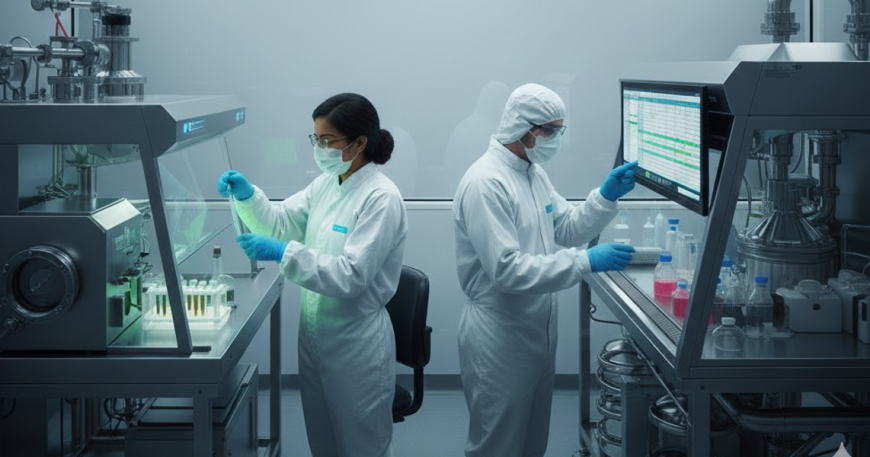
Advanced therapies place unique demands on infrastructure. Their development often requires specialist laboratories, controlled manufacturing environments and sophisticated quality systems. Building and maintaining this infrastructure is essential for ensuring that therapies can be produced safely and at the required scale. Organisations across the UK have been working to expand their capabilities, recognising that well equipped facilities are crucial for enabling research, clinical testing and commercial production.
These infrastructure needs also extend into clinical delivery. Many advanced therapies require specialised handling and administration, meaning that hospitals and clinical teams need access to suitable facilities and training. Ensuring that the health system is prepared for these requirements is an important part of supporting the broader expansion of advanced therapy capacity.
Strengthening the development pathway
The journey from scientific discovery to clinical adoption is complex for advanced therapies. Their personalised nature demands approaches that differ significantly from traditional treatments. This brings unique considerations for clinical trial design, regulatory evaluation and long term monitoring. Effective collaboration across developers, regulators, clinicians and research partners is vital for navigating these pathways.
A well coordinated development environment can help ensure that studies are designed efficiently, that manufacturing processes are aligned with clinical needs and that regulatory expectations are clearly understood. Early engagement between researchers and regulators is especially important, helping guide decisions at formative stages and supporting more predictable progression through later development.
Growing the specialist workforce
Advanced therapies rely heavily on a workforce with specialised scientific and technical expertise. This includes skills in cell culture, viral vector production, tissue engineering and complex analytical methods. As demand for these therapies increases, so too does the need for trained staff who can support laboratory research, manufacturing and clinical delivery.
Training programmes, apprenticeships and collaboration between industry and education providers are all central to expanding this workforce. Ensuring that people at all career stages have access to targeted development opportunities helps build long term sector resilience. A strong skills base not only supports current activity but also encourages further investment and innovation.
Unlocking patient access through health system readiness
The successful adoption of advanced therapies depends on the readiness of the health system to deliver them. Their complexity means that planning must extend across commissioning, clinical service design and patient pathways. Clear processes for referral, diagnosis and follow up ensure that patients receive consistent and high quality care.
Health system readiness also involves ensuring that clinicians have the training and support required to administer advanced therapies safely. Establishing multidisciplinary teams and coordinated service models can help streamline patient journeys and maintain high standards of care. The goal is to create an environment in which advanced therapies can be delivered reliably, sustainably and equitably.
Looking ahead to a maturing advanced therapies ecosystem
The UK’s continued success in advanced therapies will depend on its ability to strengthen infrastructure, grow its workforce, coordinate development pathways and prepare the health system for clinical delivery. These elements form the foundations of a resilient and competitive ecosystem that can support long term scientific and commercial success.
Advanced therapies represent one of the most promising frontiers in modern medicine. With sustained focus and collaborative effort, the UK can continue to play a leading role in their development, ensuring that patients benefit from innovative treatments and that the life sciences sector remains positioned for future growth.