Field Recordings: What Festival Season Taught Life Sciences in 2026

Every summer, several million people in the UK pass through festival gates, and without quite meaning to, they leave behind an extraordinary dataset. Now that the tents have come down for another year, it is worth looking at what that data actually showed. A systematic review of festival wastewater studies mapped how drug consumption patterns shift when tens of thousands of people gather in one field. A UK drug-checking charity spent recent seasons analysing what people were actually carrying, feeding its findings straight into a government early warning system. And a study out of a Belgian hearing research lab found that a single night of high-volume music can damage hearing in ways a standard hearing test does not catch. None of this research needed festivals to invent new methods. What festivals offered, this year as every year, was something ordinary life rarely provides: a large, dense, temporary population doing the same things in the same place for a few days at a time.

What the Portable Toilets Reveal

Wastewater epidemiology is not new, but festivals have become one of its most productive testing grounds. A systematic review published in December 2025 in the journal Behavioral Sciences, led by researchers at King’s College London, pulled together 23 studies published between 2010 and 2024 covering events ranging from around 6,000 to several hundred thousand attendees. Two sampling methods dominated the field: continuous wastewater sampling from a site’s treatment system, and pooled urine sampling taken directly from portable toilets and urinals, both analysed using liquid chromatography mass spectrometry to detect trace concentrations of drugs and their metabolites.

The picture that emerges is more detailed than most surveys could ever produce, because nobody needs to self-report anything. MDMA was the substance most consistently detected across festivals worldwide, with electronic dance music events showing markedly higher concentrations than events built around other genres. Regional patterns varied too: methamphetamine dominated in some Eastern European samples, cocaine in South American ones, while MDMA and cannabis combinations were more common in Australian data. Glastonbury Festival, with around 203,000 attendees at its 2019 edition, has itself featured in several of the underlying studies as one of the largest and most closely monitored events of its kind.

The method has real limits. It cannot say who took what, only how much of a substance passed through a population over a given period, and the review’s authors note that African and Asian festivals remain badly underrepresented in the literature, along with a gender skew in pooled urine studies given who tends to use which facilities. Even so, for public health teams and event organisers trying to understand what is actually circulating at an event, rather than what attendees are willing to admit to on a questionnaire, it is currently the closest thing to ground truth available.

The Pill Testers Behind the Scenes

Wastewater data tells researchers what happened after the fact. The Loop, a UK drug-checking charity, has been trying to change what happens next. Rather than testing substances before they are consumed, The Loop’s back-of-house service analyses what has already been collected on site, whether that is drugs handed in through amnesty bins, substances confiscated by security, or samples passed on by paramedics after a medical incident. In 2025, the most recent year for which the charity has published full figures, it carried out this testing across 27 days at five major venues and festivals, including Drumsheds in London, Parklife Festival in Manchester, Love Saves the Day in Bristol, The Warehouse Project in Manchester and Lost Village Festival in Lincolnshire.

The service operates under a Home Office licence issued on strict conditions, and when a sample turns out to be an unusually dangerous batch, the charity can issue a public alert through its social channels and stakeholder network within hours, rather than waiting for the results to surface through hospital admissions. Those findings also feed into the government’s wider early warning system for tracking emerging threats such as new synthetic opioids. As The Loop’s chief executive Katy Porter has said, “the drug market is changing, and we are able to plan and prepare in our harm reduction messaging” when the charity has current information about what is circulating. For anyone wanting to check a substance by post rather than on site, the Welsh service WEDINOS fills that gap, and both organisations effectively function as an informal, fast moving surveillance network for a drug market that changes from one weekend to the next.

The Damage No Hearing Test Catches

The third strand of research is less about what people bring to a festival and more about what a festival does to them. A study published in January 2026 in Scientific Reports, carried out by hearing researchers at Ghent University in Belgium, followed 42 young adults before and after they attended large outdoor music events. Participants wore personal noise dosimeters throughout, then underwent audiometry, otoacoustic emission testing and auditory evoked potential measurements at intervals from the day before the event to fourteen days afterwards.

Average exposure came out at around 100 decibels over roughly ten hours, comfortably into the range associated with hearing risk. Only one participant showed a clinically significant drop in hearing sensitivity on a standard hearing test, which sounds reassuring until the rest of the data is considered. Five participants showed acute reductions in auditory evoked potential markers within 24 hours, a pattern consistent with damage to the synapses connecting the ear to the auditory nerve rather than to the ear’s sensory cells themselves. Two of those cases still showed persistent abnormalities fourteen days later, despite audiometric thresholds that had returned to normal. Around 61 per cent of participants reported symptoms such as tinnitus or a dulled sense of hearing the day after exposure. Notably, the researchers found no clear relationship between how loud someone’s exposure had been and how much damage they sustained, suggesting individual susceptibility varies considerably from one person to the next.

The practical implication is uncomfortable for anyone who assumes a normal hearing test means their ears came through unscathed. Standard audiometry is built to detect damage to the ear’s sensory hair cells, and it is simply not designed to pick up the kind of synaptic injury this study documented. A festival goer could walk away from a weekend with a clean bill of hearing health and still be carrying damage that conventional testing has no way of seeing.

One Crowd, Three Kinds of Evidence

Epidemiology, toxicology and audiology are not fields that usually share a research site, yet festivals gave all three exactly what they needed: a large, willing, temporarily concentrated population undergoing a shared set of exposures over a defined and short period of time. A wastewater treatment plant cannot tell you why cocaine use spikes on a particular weekend, a drug-checking tent cannot measure hearing damage, and a hearing study cannot say what was in anyone’s system. Put the three together and this year’s festival season looks less like a break from ordinary life and more like a live experiment that runs itself every summer, one that life sciences researchers are only beginning to make full use of.

Sources include Behavioral Sciences (King’s College London), The Loop, the Home Office, and Scientific Reports (Ghent University).

Author

Leave A Comment

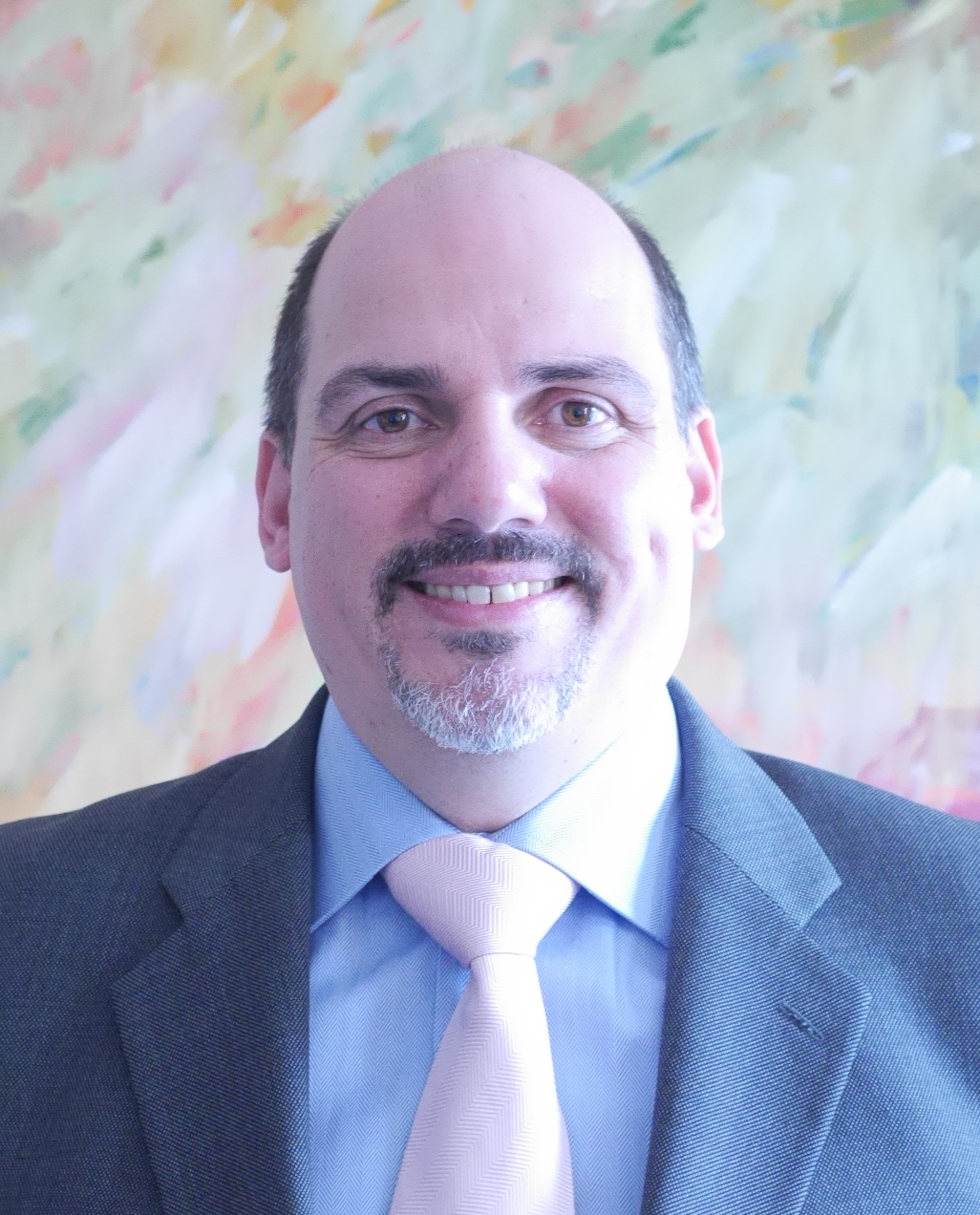
Graham Combe

Strategic Consultant,
Life Sciences Week
+44 (0) 121 227 4156
info@lifesciencesweek.co.uk

Bio

Graham Combe is an experienced strategic consultant, relationship builder, and entrepreneur in the global life sciences sector. He holds a BSc (Hons) in Chemistry from University College London (UCL) and spent over a decade with Nature, where he pioneered key initiatives such as Nature’s BioPharma Dealmakers and Nature’s SciCafe.

In May 2011, he founded Biosell UK, a consulting and event management firm that collaborates with global life science publishers, event organizations, and marketing partners. Beyond BioSell, Combe is the founder or co-founder of several prominent networking and thought-leadership platforms, including #BiotechBuddies, #coffeebuddies, the #AgileLeaders Forum, and the Creative Disruption Forum—the latter three events co-hosted with his business partner, Professor Tony Sedgwick.

Specializing in the early-to-mid stages of drug development (from pre-clinical research through Phase 3 and clinical proof-of-concept), Graham focuses on facilitating forums to promote peer-to-peer discussion, strategic growth, investment and meaningful connections between biotech innovators, investors, and industry service providers.

Secure your Launch Day Conference Pass

Be in the room where the future of life sciences is shaped.

Early Bird until 31 August: Save £155

Apply for a complimentary Conference Day VIP Pass

Apply for a complimentary Conference Day VIP Pass

Complimentary Conference Day VIP Passes are reserved for senior leaders and decision-makers with influence over purchasing, commissioning, investment or technology advancements and adoption across UK life sciences.

A Conference Day VIP Pass includes:

  • Complimentary access-all-areas to the Launch Day Conference
  • Access to the dedicated VIP green room alongside Conference speakers
  • Access to all general keynote, panel and programme sessions
  • Curated networking opportunities
  • Opportunities to meet conference speakers and other approved VIP attendees

The VIP Pass applies to the Launch Day Conference only. It does not include admission to the Life Sciences Week Gala Dinner or other separately ticketed events.

Applications are reviewed individually and submitting this form does not guarantee a complimentary pass. To maintain a balanced, high-quality audience, we may limit the number of VIP Passes issued to any one organisation.

    First Name *

    Last Name *

    Work Email Address *

    Telephone Number *

    Job Title *

    Organisation *

    LinkedIn

    Organisation Information

    Which best describes your organisation? *


    If other, please specify

    Which best describes your level of seniority? *

    If other, please specify

    Which areas are you responsible for or directly involved in? *

    If other, please specify

    What best describes your role in purchasing, investment, commissioning or adoption decisions? *

    Attendance Information

    Briefly, what is the number one thing you are hoping to get out of attending Life Sciences Week 2026? *

    Final Confirmation

    Is your role primarily focused on selling products or services, consultancy, account management or business development? *

    Please Confirm *

    I understand that VIP applications are subject to review and approval.
    I understand that the complimentary VIP Pass covers the Life Sciences Week Launch Day Conference only and does not include the Gala Dinner Awards or other separately ticketed events.
    The information supplied in this application is accurate.

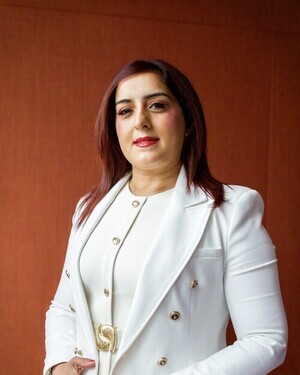
    Shabna Raja

    Advisory Partner,
    Life Sciences Week
    +44 (0) 121 227 4156
    info@lifesciencesweek.co.uk

    Bio

    Shabna Raja is a senior leader in enterprise transformation within Life Sciences, with over 20 years’ experience spanning pharma, consumer health and large-scale digital programmes.

    She specialises in bridging strategy and execution – helping organisations translate AI, data and digital innovation into tangible business outcomes. Her work focuses on complex transformation
    initiatives across commercial, data and operating model domains within regulated environments.

    Shabna spent seven years at GSK, where she played a key role in transformation programmes, including as part of the Consumer Health joint venture with Pfizer — one of the most significant integrations in the sector. This experience provided her with deep expertise in  organisational change, integration and operating model evolution at global scale.

    More recently, she has spent over three years working closely with Haleon through a strategic
    services partnership, leading enterprise client engagement and managing a multi-million-pound account while supporting transformation across a newly independent global organisation.

    Her experience spans the end-to-end life sciences value chain, including R&D, commercial, supply chain and patient engagement, giving her a holistic perspective on how technology and transformation can unlock value across the industry.

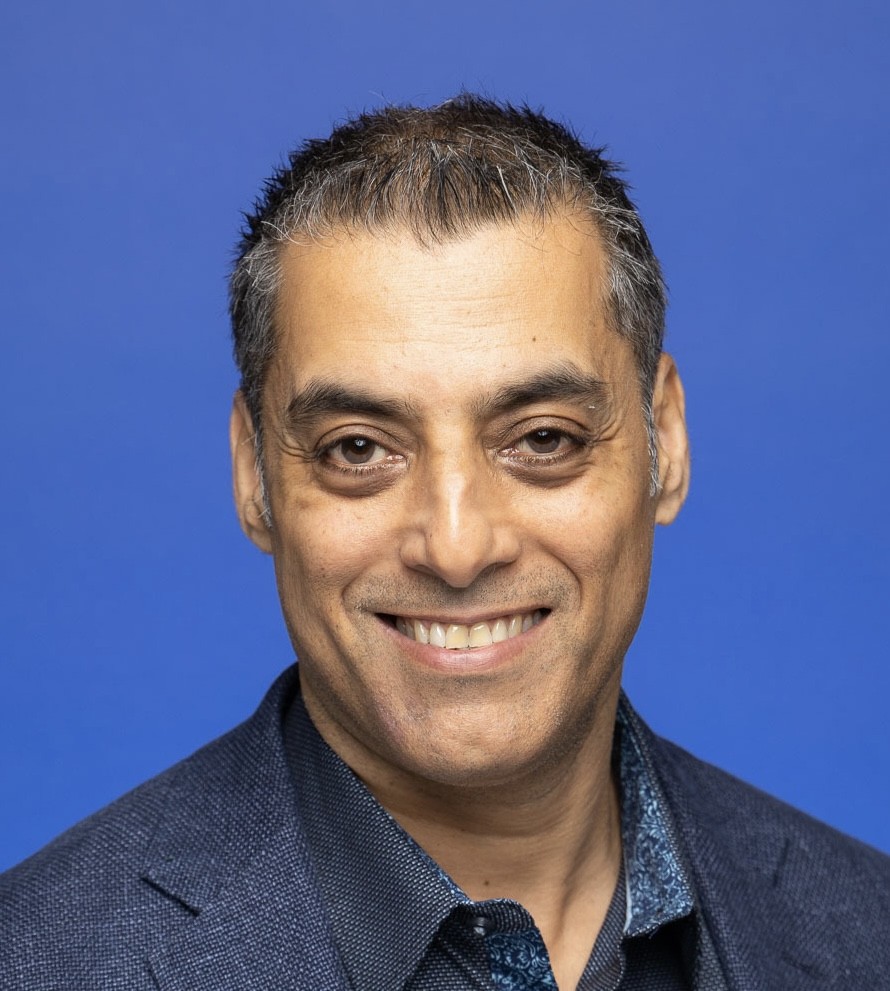
    Amjad Khan

    Executive Partner,
    Life Sciences Week
    +44 (0) 121 227 4156
    info@lifesciencesweek.co.uk

    Bio

    Amjad Khan is a UK-based entrepreneur, AI strategist, and senior technology leader with over 15 years of experience at Pfizer, where he held multiple leadership roles across digital strategy and transformation. As Global Digital Client Partner, he was responsible for digital strategy and execution across Global Business Units covering Vaccines, Hospital, and Medical Affairs. Most notably, he led the commercial launch for the Covid franchise transforming and accelerating the model for how new medicines are brought to market.

    Following his tenure at Pfizer, Amjad channelled his expertise into building at the frontier of AI. His work spans AI leadership, stakeholder engagement, and agile delivery helping organisations adopt and scale emerging  technologies to drive meaningful outcomes.

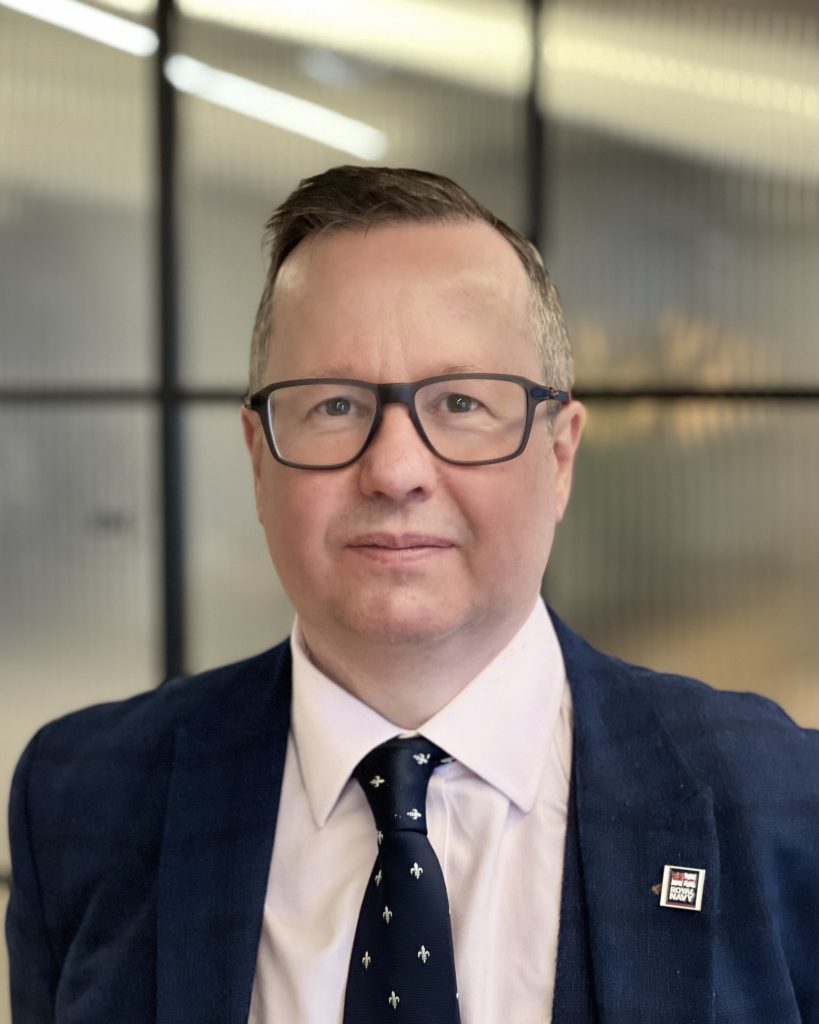
    Dr. Richard Fallon | Business Consultant | WM Life Sciences

    Dr. Richard Fallon

    Co Founder, Life Sciences Week 
    +44 (0) 121 227 4156
    info@lifesciencesweek.co.uk

    Bio

    Dr Richard Fallon is an entrepreneur and ecosystem builder who connects industry leaders, investors and public-sector stakeholders to accelerate collaboration and commercial growth.

    As the Founder of the Technology Supply Chain and co-founder of the Innovation Awards, he has spent more than two decades convening influential networks that help emerging businesses find capital, strategic partners and new routes to market.

    Richard’s work spans leadership and consultancy across major organisations, alongside building membership and partnership platforms that bring universities, industry and investors into the same room – and turn conversations into practical outcomes.

    With his focus on life sciences, Richard supports organisations and people driving breakthroughs in healthcare, biotechnology, medical technology and advanced research. He is passionate about creating the conditions for transformative ideas to move from concept to real-world impact – by connecting innovators with the funding, expertise and opportunities they need to scale.

    Through Life Sciences Week, Richard is championing the UK’s world-class life sciences community and helping position it at the forefront of innovation, investment and patient outcomes.

    Amy Deakin | Chief of Staff | WM Life Sciences

    Amy Deakin

    Event Managing Director,
    Life Sciences Week
    +44 (0) 121 227 4156
    info@lifesciencesweek.co.uk

    Bio

    Amy Deakin is a Birmingham-based leader specialising in building partnerships and fostering innovation in the life sciences sector. With a degree in Sport and Exercise Science, Amy brings a grounded understanding of human health and performance to her work and a strong interest in the developments shaping healthcare today.

    Amy is Managing Director of Life Sciences Week, part of the One Thousand Trades Group, and also serves as Director of One Thousand Trades Events. In these roles, she convenes researchers, clinicians and industry leaders to strengthen collaboration, unlock new partnerships and help accelerate real-world innovation across the life sciences ecosystem.

    Her career spans both commercial and third-sector environments. She began in automotive design, delivering projects for Volkswagen, McLaren, Bentley and Jaguar Land Rover, before moving into the third sector with Acorns Children’s Hospice. She later joined Western Union, working as a Partnerships Manager for international payments

    An avid netballer, Amy is a committed advocate for health and wellbeing – bringing energy, clarity and connection to everything she builds, and actively involved as a participant in health related research studies.

      Award Category Voting

      Here's a list of all categories you can vote for. Simply click each category to cast your vote. Voting in each category is not mandatory, so please feel free to click just the category that interests you.

      Day you've not voted in, will be denoted with an ❌

      If you're having issues submitting the form, please ensure all the category boxes are closed and try again.

      Recognising pioneering research, technology, or therapies that are transforming healthcare and biotechnology.

      No VoteProf. Alex RichterBlack Space TechnologyAston Vision Sciences

      Celebrating an emerging leader making significant contributions to the field through research, innovation, or leadership.

      Recognising pioneering research, technology, or therapies that are transforming healthcare and biotechnology.

      No VoteShashank Chaganty – VichagLeah Vanono - PBS InnovationsKloe Avon- KZ Organics

      Honouring successful cross-sector partnerships driving advancements in life sciences, from academia to industry.

      No VoteProf Liam Grover- WMHTIAJudith Stewart- Health Innovation West MidlandsAdam McGuinness - Plug and Play

      Awarding an individual or organisation for exceptional long-term impact on the industry.

      No VoteDavid KidneyMedilink MidlandsUniversity of Birmingham

      Highlighting innovations in treatments, diagnostics, or healthcare delivery that have significantly improved patient outcomes.

      No VoteJean-Louis Duprey - Linear DiagnosticsSian Dunning - MD-TECKarim Vissangy - HoloMedix

      Your Details