A Ban, a Gene and a Clock: Three New Ways of Understanding Caffeine

Caffeine is the most widely used psychoactive substance in the world, and it is currently the subject of three quite different strands of life sciences research. This summer, the government confirmed a ban on selling high-caffeine energy drinks to children, built on a systematic review covering more than a million young people. Geneticists have spent the past decade mapping why the same cup of coffee can leave one person wired and another person barely affected. And a widely discussed analysis of when people drink coffee, rather than how much, has produced one of the more surprising findings in recent cardiovascular research. None of this makes caffeine a new subject for science. What has changed is how precisely researchers can now say who it affects, how and when.

A Ban Built on 1.2 Million Children

On 16 July 2026 the government confirmed that England will ban the sale of high-caffeine energy drinks, defined as drinks other than tea or coffee containing more than 150mg of caffeine per litre, to anyone under 16. The ban covers shops, vending machines and online sales, though not business-to-business transactions, and takes effect in April 2027, with retailers who break the rules facing fines of up to £2,500. The government estimates that around 100,000 children in England currently drink high-caffeine energy drinks every day.

The evidence base behind the decision came largely from Fuse, a public health research collaboration between Newcastle and Teesside universities, whose systematic review pulled together 57 studies covering more than 1.2 million children and young people across more than 21 countries. The review linked energy drink consumption in children to anxiety, stress, depression, sleep disruption and poorer concentration and academic performance, as well as physical effects including raised blood pressure and tooth decay, with consumption running higher among boys than girls. Public Health Minister Sharon Hodgson said “the evidence is clear that this can cause anxiety, affect their sleep and concentration and can have a detrimental impact on their education,” while Education Minister Olivia Bailey framed the ban as complementing the government’s separate overhaul of school food. A public consultation held between September and November 2025 received 1,095 responses before the policy was finalised.

Why the Same Cup Hits People Differently

The reason caffeine affects a teenager’s concentration and an adult’s blood pressure so unevenly from person to person comes down largely to genetics. A genome-wide association study using data from six population cohorts, including the UK Biobank, identified four genomic regions that reliably predict how quickly someone metabolises caffeine, close to the genes CD83, AHR, CYP1A2 and CYP2A6. Of these, CYP1A2 does most of the practical work, since it encodes the liver enzyme responsible for breaking down the large majority of caffeine the body absorbs.

People with certain variants of this gene are “fast metabolisers,” clearing caffeine from their system quickly and generally tolerating higher doses with less disruption to sleep or heart rate. Others are “slow metabolisers,” for whom the same cup of coffee stays active in the bloodstream for much longer, with correspondingly greater effects on anxiety, sleep and blood pressure. The same study found that people with genetic variants linked to slower caffeine metabolism tended, on average, to drink less coffee in the first place, which researchers interpreted as evidence that people unconsciously self-regulate their intake based on how strongly they feel its effects. It is a useful reminder that “I can’t handle caffeine like my friend can” is not simply a matter of habit or willpower, but is, for a meaningful share of the population, a measurable difference in liver enzyme activity.

It Is Not Just What You Drink, It Is When

A study published in the European Heart Journal in 2025 added a further layer that most previous coffee research had not properly separated out, timing. Researchers analysed data from 40,725 adults in the US National Health and Nutrition Examination Survey, collected between 1999 and 2008, alongside a separate cohort of 1,463 adults, tracking self-reported coffee timing against death records over roughly a decade of follow-up.

People who drank coffee exclusively in the morning, defined broadly as before noon, had a 16 per cent lower risk of death from any cause and a 31 per cent lower risk of death from cardiovascular disease specifically, compared with people who did not drink coffee at all. People who drank coffee throughout the day, by contrast, showed no reduction in mortality risk compared with non-drinkers, despite often drinking similar total amounts. Around 36 per cent of participants were classed as morning-only drinkers, 16 per cent drank throughout the day and the remaining 48 per cent did not drink coffee. The researchers’ working explanation is that caffeine consumed later in the day interferes more with melatonin production and sleep quality, and that disrupted sleep and circadian rhythm are themselves established risk factors for cardiovascular disease, meaning the coffee itself may not be the direct cause so much as a marker of when someone is disrupting their own sleep pattern.

One Molecule, Three Different Research Questions

Put alongside each other, these three strands are really answering different questions about the same substance. The energy drinks ban is a population-level policy response built on evidence that children, whose bodies and brains are still developing, are particularly vulnerable to caffeine at the doses found in some drinks. The genetics research explains why adults given an identical dose can have wildly different experiences of it, rooted in enzymes most people will never think about. The timing research suggests that even for people who tolerate caffeine well, when they drink it may matter as much as how much. None of this settles the question of whether coffee is, on balance, good or bad for any individual person, and researchers in each of these fields would likely say that is the wrong question to ask about a substance this widely used and this differently metabolised. What has changed is that the answer is no longer a shrug. It is genetics, timing and dose, each measured separately, and each pointing in a slightly different direction depending on who is asking.

Sources: GOV.UK; Fuse (Newcastle University and Teesside University); Human Molecular Genetics (Cornelis et al., UK Biobank); European Heart Journal.

Author

Leave A Comment

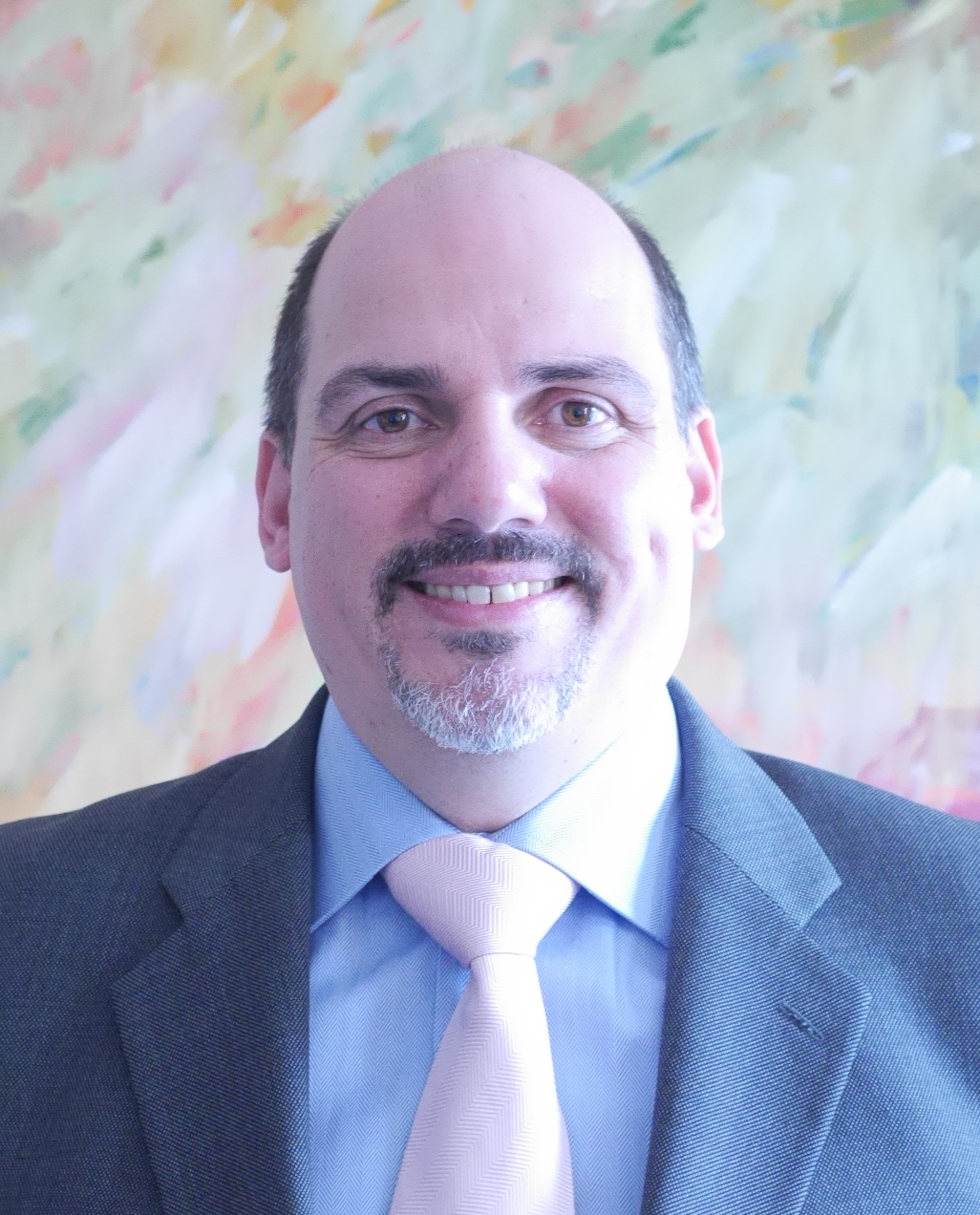
Graham Combe

Strategic Consultant,
Life Sciences Week
+44 (0) 121 227 4156
info@lifesciencesweek.co.uk

Bio

Graham Combe is an experienced strategic consultant, relationship builder, and entrepreneur in the global life sciences sector. He holds a BSc (Hons) in Chemistry from University College London (UCL) and spent over a decade with Nature, where he pioneered key initiatives such as Nature’s BioPharma Dealmakers and Nature’s SciCafe.

In May 2011, he founded Biosell UK, a consulting and event management firm that collaborates with global life science publishers, event organizations, and marketing partners. Beyond BioSell, Combe is the founder or co-founder of several prominent networking and thought-leadership platforms, including #BiotechBuddies, #coffeebuddies, the #AgileLeaders Forum, and the Creative Disruption Forum—the latter three events co-hosted with his business partner, Professor Tony Sedgwick.

Specializing in the early-to-mid stages of drug development (from pre-clinical research through Phase 3 and clinical proof-of-concept), Graham focuses on facilitating forums to promote peer-to-peer discussion, strategic growth, investment and meaningful connections between biotech innovators, investors, and industry service providers.

Apply for a complimentary Conference Day VIP Pass

Apply for a complimentary Conference Day VIP Pass

Complimentary Conference Day VIP Passes are reserved for senior leaders and decision-makers with influence over purchasing, commissioning, investment or technology advancements and adoption across UK life sciences.

A Conference Day VIP Pass includes:

  • Complimentary access-all-areas to the Launch Day Conference
  • Access to the dedicated VIP green room alongside Conference speakers
  • Access to all general keynote, panel and programme sessions
  • Curated networking opportunities
  • Opportunities to meet conference speakers and other approved VIP attendees

The VIP Pass applies to the Launch Day Conference only. It does not include admission to the Life Sciences Week Gala Dinner or other separately ticketed events.

Applications are reviewed individually and submitting this form does not guarantee a complimentary pass. To maintain a balanced, high-quality audience, we may limit the number of VIP Passes issued to any one organisation.

    First Name *

    Last Name *

    Work Email Address *

    Telephone Number *

    Job Title *

    Organisation *

    LinkedIn

    Organisation Information

    Which best describes your organisation? *


    If other, please specify

    Which best describes your level of seniority? *

    If other, please specify

    Which areas are you responsible for or directly involved in? *

    If other, please specify

    What best describes your role in purchasing, investment, commissioning or adoption decisions? *

    Attendance Information

    Briefly, what is the number one thing you are hoping to get out of attending Life Sciences Week 2026? *

    Final Confirmation

    Is your role primarily focused on selling products or services, consultancy, account management or business development? *

    Please Confirm *

    I understand that VIP applications are subject to review and approval.
    I understand that the complimentary VIP Pass covers the Life Sciences Week Launch Day Conference only and does not include the Gala Dinner Awards or other separately ticketed events.
    The information supplied in this application is accurate.

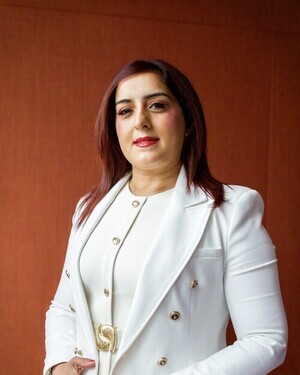
    Shabna Raja

    Advisory Partner,
    Life Sciences Week
    +44 (0) 121 227 4156
    info@lifesciencesweek.co.uk

    Bio

    Shabna Raja is a senior leader in enterprise transformation within Life Sciences, with over 20 years’ experience spanning pharma, consumer health and large-scale digital programmes.

    She specialises in bridging strategy and execution – helping organisations translate AI, data and digital innovation into tangible business outcomes. Her work focuses on complex transformation
    initiatives across commercial, data and operating model domains within regulated environments.

    Shabna spent seven years at GSK, where she played a key role in transformation programmes, including as part of the Consumer Health joint venture with Pfizer — one of the most significant integrations in the sector. This experience provided her with deep expertise in  organisational change, integration and operating model evolution at global scale.

    More recently, she has spent over three years working closely with Haleon through a strategic
    services partnership, leading enterprise client engagement and managing a multi-million-pound account while supporting transformation across a newly independent global organisation.

    Her experience spans the end-to-end life sciences value chain, including R&D, commercial, supply chain and patient engagement, giving her a holistic perspective on how technology and transformation can unlock value across the industry.

    Amjad Khan

    Executive Partner,
    Life Sciences Week
    +44 (0) 121 227 4156
    info@lifesciencesweek.co.uk

    Bio

    Amjad Khan is a UK-based entrepreneur, AI strategist, and senior technology leader with over 15 years of experience at Pfizer, where he held multiple leadership roles across digital strategy and transformation. As Global Digital Client Partner, he was responsible for digital strategy and execution across Global Business Units covering Vaccines, Hospital, and Medical Affairs. Most notably, he led the commercial launch for the Covid franchise transforming and accelerating the model for how new medicines are brought to market.

    Following his tenure at Pfizer, Amjad channelled his expertise into building at the frontier of AI. His work spans AI leadership, stakeholder engagement, and agile delivery helping organisations adopt and scale emerging  technologies to drive meaningful outcomes.

    Dr. Richard Fallon | Business Consultant | WM Life Sciences

    Dr. Richard Fallon

    Co Founder, Life Sciences Week 
    +44 (0) 121 227 4156
    info@lifesciencesweek.co.uk

    Bio

    Dr Richard Fallon is an entrepreneur and ecosystem builder who connects industry leaders, investors and public-sector stakeholders to accelerate collaboration and commercial growth.

    As the Founder of the Technology Supply Chain and co-founder of the Innovation Awards, he has spent more than two decades convening influential networks that help emerging businesses find capital, strategic partners and new routes to market.

    Richard’s work spans leadership and consultancy across major organisations, alongside building membership and partnership platforms that bring universities, industry and investors into the same room – and turn conversations into practical outcomes.

    With his focus on life sciences, Richard supports organisations and people driving breakthroughs in healthcare, biotechnology, medical technology and advanced research. He is passionate about creating the conditions for transformative ideas to move from concept to real-world impact – by connecting innovators with the funding, expertise and opportunities they need to scale.

    Through Life Sciences Week, Richard is championing the UK’s world-class life sciences community and helping position it at the forefront of innovation, investment and patient outcomes.

    Amy Deakin | Chief of Staff | WM Life Sciences

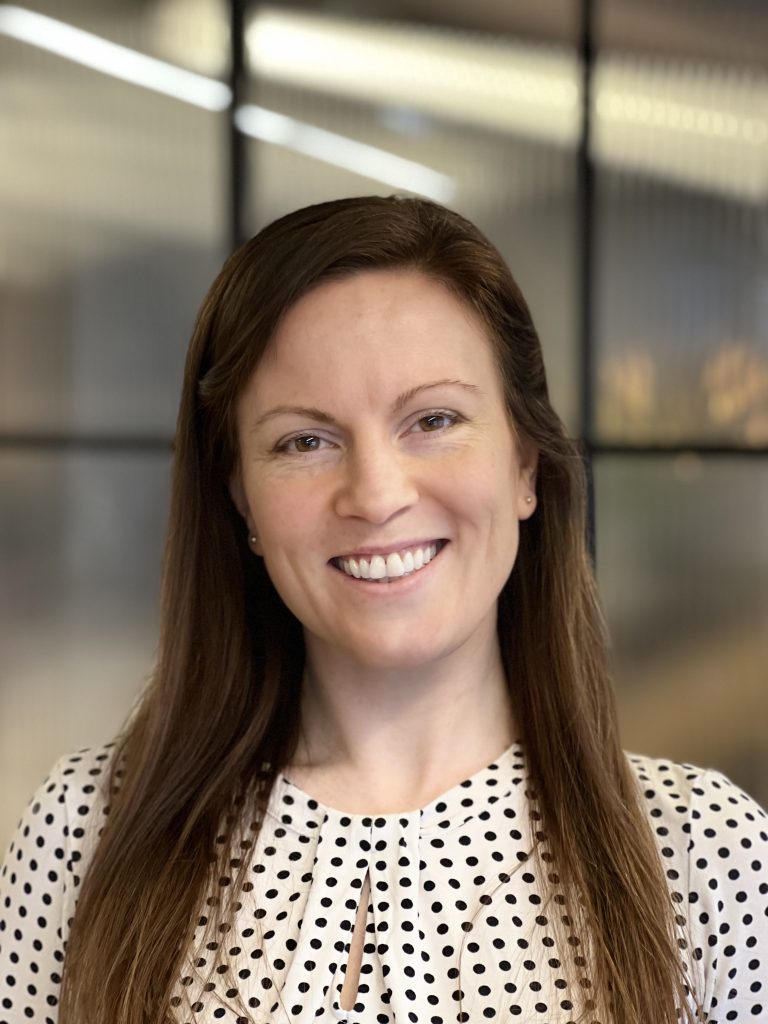
    Amy Deakin

    Event Managing Director,
    Life Sciences Week
    +44 (0) 121 227 4156
    info@lifesciencesweek.co.uk

    Bio

    Amy Deakin is a Birmingham-based leader specialising in building partnerships and fostering innovation in the life sciences sector. With a degree in Sport and Exercise Science, Amy brings a grounded understanding of human health and performance to her work and a strong interest in the developments shaping healthcare today.

    Amy is Managing Director of Life Sciences Week, part of the One Thousand Trades Group, and also serves as Director of One Thousand Trades Events. In these roles, she convenes researchers, clinicians and industry leaders to strengthen collaboration, unlock new partnerships and help accelerate real-world innovation across the life sciences ecosystem.

    Her career spans both commercial and third-sector environments. She began in automotive design, delivering projects for Volkswagen, McLaren, Bentley and Jaguar Land Rover, before moving into the third sector with Acorns Children’s Hospice. She later joined Western Union, working as a Partnerships Manager for international payments

    An avid netballer, Amy is a committed advocate for health and wellbeing – bringing energy, clarity and connection to everything she builds, and actively involved as a participant in health related research studies.

      Award Category Voting

      Here's a list of all categories you can vote for. Simply click each category to cast your vote. Voting in each category is not mandatory, so please feel free to click just the category that interests you.

      Day you've not voted in, will be denoted with an ❌

      If you're having issues submitting the form, please ensure all the category boxes are closed and try again.

      Recognising pioneering research, technology, or therapies that are transforming healthcare and biotechnology.

      No VoteProf. Alex RichterBlack Space TechnologyAston Vision Sciences

      Celebrating an emerging leader making significant contributions to the field through research, innovation, or leadership.

      Recognising pioneering research, technology, or therapies that are transforming healthcare and biotechnology.

      No VoteShashank Chaganty – VichagLeah Vanono - PBS InnovationsKloe Avon- KZ Organics

      Honouring successful cross-sector partnerships driving advancements in life sciences, from academia to industry.

      No VoteProf Liam Grover- WMHTIAJudith Stewart- Health Innovation West MidlandsAdam McGuinness - Plug and Play

      Awarding an individual or organisation for exceptional long-term impact on the industry.

      No VoteDavid KidneyMedilink MidlandsUniversity of Birmingham

      Highlighting innovations in treatments, diagnostics, or healthcare delivery that have significantly improved patient outcomes.

      No VoteJean-Louis Duprey - Linear DiagnosticsSian Dunning - MD-TECKarim Vissangy - HoloMedix

      Your Details