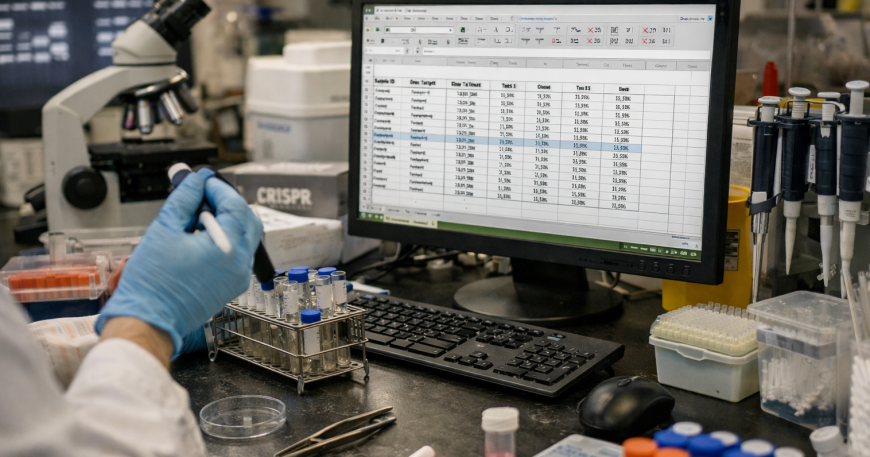
The development of gene editing technologies has marked a significant shift in the way diseases are understood and potentially treated. Among these innovations, CRISPR has emerged as one of the most widely discussed tools due to its ability to precisely modify DNA. By allowing scientists to target and alter specific genetic sequences, CRISPR offers a new approach to addressing conditions that have historically been difficult to treat. As research continues to progress, its role within healthcare is becoming increasingly important, particularly in the context of precision medicine.
A molecular tool to locate and edit genes
CRISPR, which stands for Clustered Regularly Interspaced Short Palindromic Repeats, functions as a molecular tool that can locate and edit genes within a cell. It is often paired with a protein that acts as molecular scissors, enabling the removal or replacement of targeted DNA segments. This level of accuracy distinguishes CRISPR from earlier gene editing methods, which were less precise and more time-consuming. The efficiency of this system has made it a focal point for researchers exploring new ways to treat genetic disorders and improve patient outcomes.
One of the most notable applications of CRISPR lies in the treatment of inherited diseases. Conditions caused by single gene mutations, such as certain blood disorders, are particularly well suited to this approach. By correcting the underlying genetic error, CRISPR has the potential to address the root cause of disease rather than simply managing symptoms. This represents a fundamental shift in treatment strategy, moving from long-term management towards the possibility of lasting solutions. While research in this area is ongoing, early developments have demonstrated the feasibility of such interventions in controlled settings.
Good for oncology
In addition to inherited conditions, CRISPR is also being explored in the field of oncology. Cancer is driven by genetic mutations that disrupt normal cellular processes, and the ability to target these mutations offers a new avenue for treatment. Researchers are investigating how CRISPR can be used to modify immune cells, enabling them to better recognise and attack cancer cells. This approach builds on existing immunotherapy strategies, with the aim of enhancing their effectiveness and expanding their applicability across different types of cancer.
Helps to model drug development
Beyond treatment, CRISPR is contributing to advances in disease modelling and drug development. By editing genes in laboratory models, scientists can replicate specific disease conditions and study their progression in detail. This provides valuable insights into how diseases develop and respond to potential therapies. As a result, CRISPR is helping to streamline the process of identifying and testing new drugs, potentially reducing the time required to bring treatments from research into clinical use.
Despite its potential, the use of CRISPR in healthcare raises a number of important considerations. One of the primary concerns is the risk of unintended genetic changes. While the technology is highly precise, it is not entirely free from error, and off-target effects remain an area of active investigation. Ensuring the safety and reliability of gene editing interventions is essential before they can be widely adopted in clinical practice. This requires rigorous testing and long-term monitoring to fully understand the implications of altering genetic material.
Ethical considerations play a central role
Ethical considerations also play a central role in the discussion surrounding CRISPR. The ability to edit human genes raises questions about how and when this technology should be used. While there is broad support for its application in treating serious diseases, there is greater debate around its potential use for non-medical purposes. Establishing clear guidelines and regulatory frameworks will be crucial in ensuring that CRISPR is used responsibly and in a way that aligns with societal values.
Other challenges
Another challenge lies in the delivery of gene editing therapies. Successfully editing genes within the human body requires effective methods for transporting CRISPR components to the appropriate cells. This remains a complex task, particularly for conditions that affect multiple tissues or organs. Ongoing research is focused on developing safe and efficient delivery systems, which will be key to expanding the range of conditions that can be treated using this technology.
Key considerations
The integration of CRISPR into healthcare systems will also depend on factors such as cost, accessibility, and clinical expertise. As with many advanced medical technologies, there is a risk that access may be limited in the early stages of adoption. Addressing these issues will be important in ensuring that the benefits of gene editing are available to a broad patient population. Collaboration between researchers, healthcare providers, and policymakers will be essential in achieving this goal.
In conclusion, CRISPR gene editing represents a significant advancement in the field of healthcare, offering new possibilities for the treatment of genetic diseases and beyond. Its precision and versatility have positioned it as a key tool in the development of personalised medicine. While challenges related to safety, ethics, and delivery remain, ongoing research continues to refine and expand its applications. As the technology matures, CRISPR has the potential to play a transformative role in how diseases are treated, moving healthcare towards more targeted and effective interventions.